Exploring Easter Traditions Around the World

Easter falls on Sunday, 5 April this year, and beyond its religious significance is a time where many countries around the world mark public holidays and seasonal celebrations, acting as a time that brings communities together in diverse and meaningful ways. As 35%* of travelers now plan trips around cultural events unique to a destination, cultural experiences are increasingly shaping global travel choices. Beyond just ticking a new destination off the list, immersing in long-standing traditions, particularly those rooted in religious significance, offer a powerful way to truly experience a place. Tripeden.com uncovers how six communities celebrate Easter through their most distinctive traditions, from sharing a slice of an omelette of heroic proportions to joining solemn springtime processions.
Situated in Guatemala’s central highlands, Antigua offers a breathtaking backdrop of misty peaks and vibrant scenery amidst rich, local history steeped in nearly 500 years of Spanish Baroque heritage. Cobbled streets lined with pastel façades and churches lead to La Merced, a yellow baroque church rising as an architectural landmark. During Semana Santa, the holy week that runs from Palm Sunday to Easter Sunday, Antigua transforms into an immersive celebration for one of the world's most significant Easter traditions. Vast wooden floats called andas, weighing close to 7,000 pounds (over 3,000 kg), move through the streets carried by hundreds of purple and white-robed devotees as brass bands play hymns. Entire neighbourhoods craft temporary carpets called alfombras from dyed sawdust, vivid flowers, and fragrant pine needles, each piece created with care before being trampled by passing processions. This ritual symbolises impermanence and spiritual renewal, transforming every street into a vibrant canvas for faith and community. When visitors aren’t caught up in the Easter festivities, visitors can explore the Cathedral of Santiago Apóstol, the principal church in the country’s capital. Travelers can join a colonial architecture walking tour through the historic centre, or venture beyond the city to hike Volcán de Agua and watch the glowing lava burst in the dark night sky.
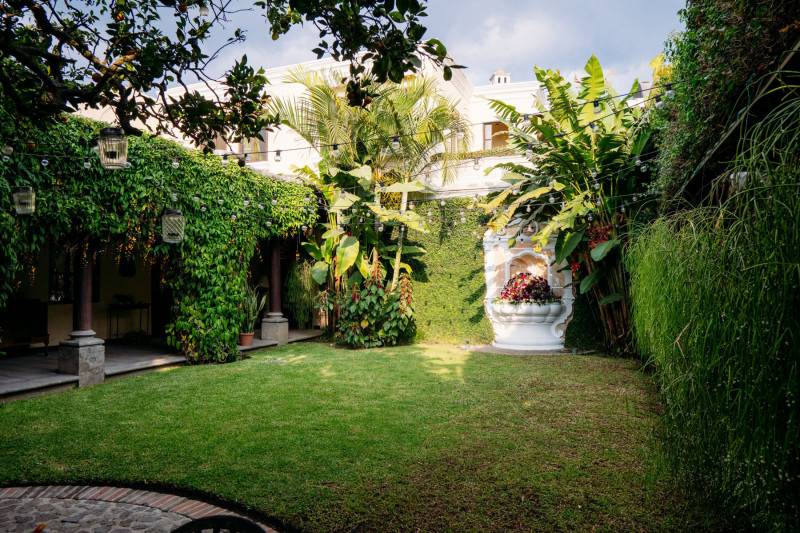
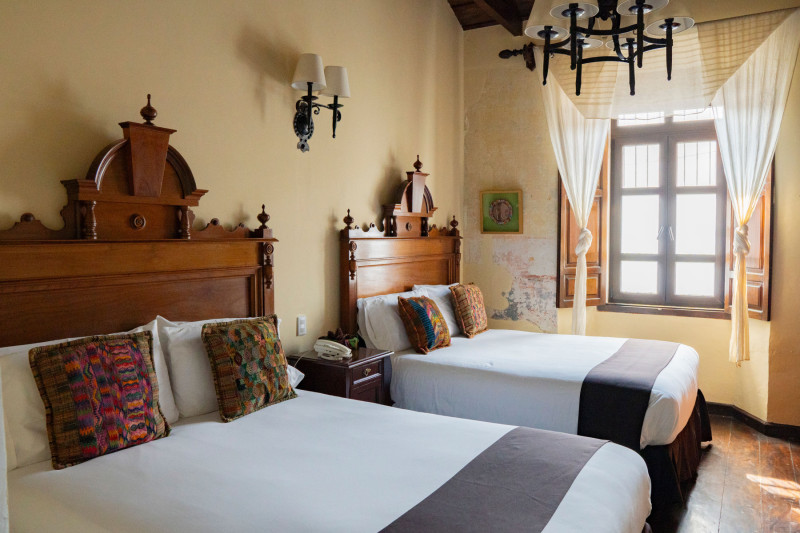
Where to stay: Situated just a short walk from Antigua’s iconic landmarks, Casa Noble Hotel offers a refined heritage-style stay in a quiet yet central location. Bathed in golden tones, the property is testament to Antigua’s enduring heritage, with a charming courtyard ideal for morning reflection before guests immerse themselves in the fragrance of incense and brass band processions with the city’s profound Semana Santa festivities.
Nestled along Bavaria's Romantic Road, Germany's oldest scenic driving route, Nördlingen sits at the heart of the Ries, a vast meteorite crater formed 15 million years ago. The town’s narrow streets, half‑timbered houses and almost perfectly circular layout reflect its medieval past, all enclosed by impeccably preserved 14th‑century stone walls. During Easter week, Nördlingen transforms with egg‑painting traditions and local markets offering artisanal breads and Bavarian beers. Spectacular traditional German Easter fires, otherwise referred to as Osterfeuer, are lit along the town’s walls, blending ancient pagan rituals with Christian symbolism of resurrection. Travelers can experience the craftsmanship of leathermaking in the town's historic tanner’s quarter or explore St George's Church with its distinctive ‘Daniel’ bell tower for panoramic views of the surrounding countryside. Once Easter festivities conclude, visitors can hire a car and follow the Romantic Road, stopping to admire baroque architecture at the ornate Wieskirche pilgrimage church and to see living history at the Fuggerei in Augsburg, the world’s largest still‑inhabited social housing complex.

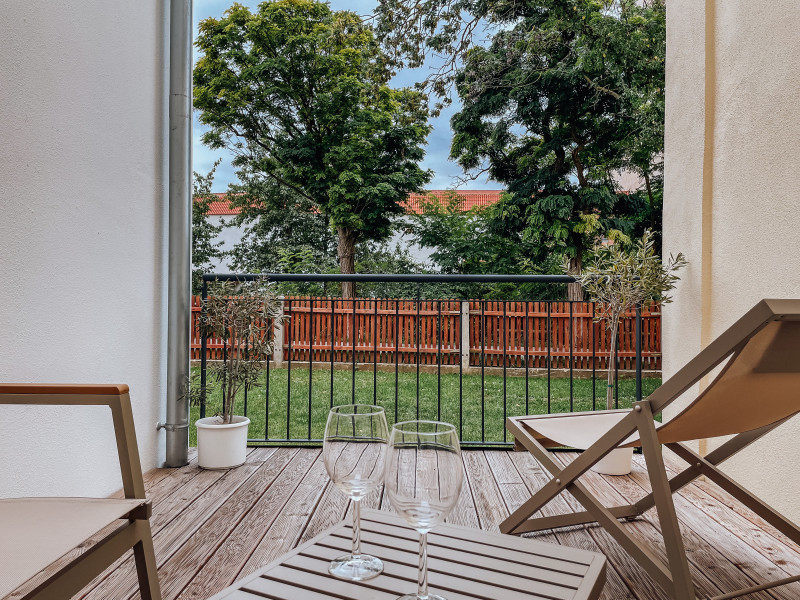
Where to stay: Located within medieval Nördlingen’s historic walls, SCHEE Apartments offers a stylish and well-located base for exploring the town’s rich heritage. Here, contemporary design blends with classic Bavarian character, including charming exterior shutters and private balconies overlooking the town’s picturesque streets. Inside, sleek wood-effect flooring and modern finishes create a clean and functional space that’s perfect for travelers seeking comfort and convenience.
In between Maryland and Virginia, Washington D.C. stands apart as a separate state and rises along the Potomac River with a spirit of independence and governance. Anchored by grand neoclassical monuments: the Lincoln Memorial, Washington Monument, and White House, the city unfolds along the river’s banks and the sweeping expanse of the National Mall. Each spring, thousands of cherry blossom trees burst into pink and white, transforming the city. The National Cherry Blossom Festival fills the local calendar with performances and waterfront celebrations, while the historic White House Easter Egg Roll welcomes families to the South Lawn, the ceremonial garden space behind the white house, for games and tradition spanning over 150 years. Restaurants offer special Easter brunches, and visitors can stroll beneath blossoms around the Tidal Basin, a scenic reservoir known for its stunning reviews and historic memorials. Travelers extending their trip beyond Easter can experience all that the capital has to offer, from the National Museum of American History's extensive collections to a private monument tour, offering insights into the rich tapestry of American culture and heritage with stops including the Jefferson Memorial.
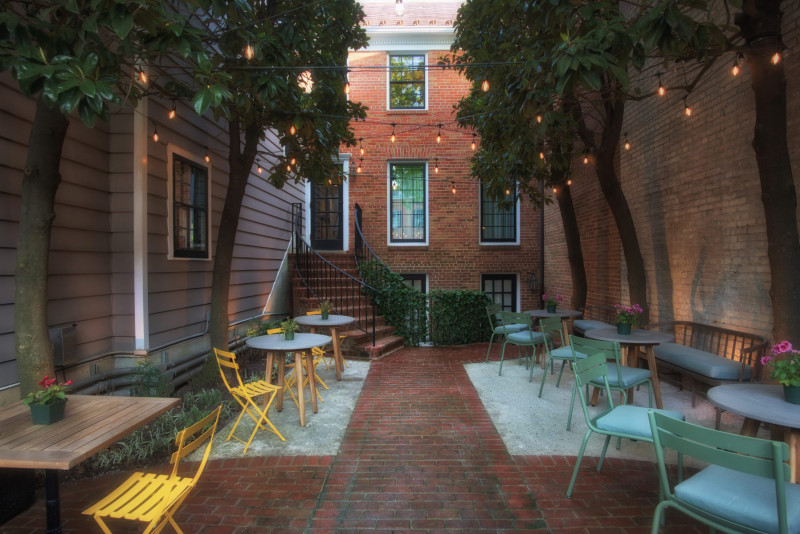

Where to stay: Set in the heart of Georgetown, one of Washington D.C.’s oldest neighbourhoods, known for its Federal‑era architecture and cobblestone streets, The Poppy Georgetown Guesthouse and Gardens provides a calm, thoughtfully designed retreat near the Potomac River. Sculptural pendant lighting and playful wallpaper bring character to each room, creating a peaceful hideaway within the city.
Located in western Poland, Poznań is one of the country’s oldest cities, sitting on the Warta River’s western bank, a historic backbone that has long served as a centre of trade, transport and defence. Central to the city is the Old Town, where a grand market square forms the heart of Poznań. Colourful façades line the square, all drawing the eye to the Town Hall, considered one of Europe’s most important Renaissance buildings. During Easter week, Poznań draws visitors to long‑standing traditions in the cathedral district, while the Old Town hosts markets selling traditional goods. Families prepare symbolic Easter baskets filled with bread, eggs, sausages and salt, each ingredient representing renewal, prosperity and faith. Easter Monday brings Żandary, a springtime custom where eight masked figures in handmade costumes appear at dawn playing instruments, offering blessings in welcoming homes, and sprinkling water as part of a purification tradition. Those traveling to Poznań can deepen their connection to the city by joining a traditional Polish food tour or discovering the story behind Rogal świętomarciński, the city’s famous St. Martin’s croissant, a centuries-old local speciality filled with poppy seeds and almonds.
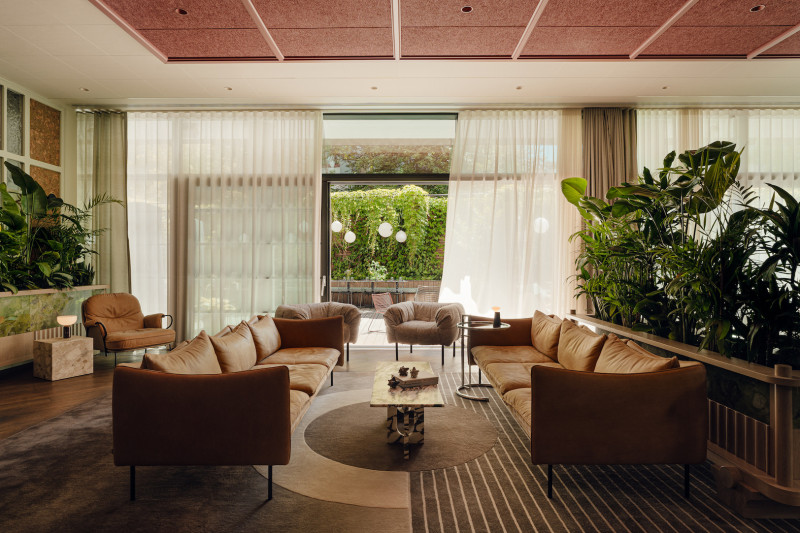

Where to stay: Inspired by the colorful tenement houses of Poznań’s Market Square, PURO Hotel Poznań Stare Miasto infuses the town’s playful spirit with modern, sophisticated design. Guests can unwind in bright, stylish communal areas and savour an elevated taste of Polish cuisine in the hotel’s restaurant, all just steps from the Royal Castle, a historic symbol of resilience, after being beautifully rebuilt after World War II.
Where Tokyo's sprawl meets industrial waterfront, Kawasaki blends ancient spirituality with urban energy. The Kawasaki Daishi Temple grounds the city in centuries of Buddhist tradition, while nearby factory lights punctuate the night sky. Although Easter holds no religious significance in Japan, early April awakens Kawasaki through seasonal renewal. The Kanamara Festival, held on the first Sunday of April at Kanayama Shrine, honours fertility and harmonious marriage through reverent celebration. Processions, vibrant decorations, and communal gatherings mark this distinctly Japanese approach to spring blessing. Travelers can experience a celebration rooted in centuries of sacred custom rather than Western Easter tradition, marking the renewal of life and health. Beyond the vibrant festival atmosphere, explore the serene grounds of Kawasaki Daishi Temple, sample sake at local breweries, wander the atmospheric Ramen Yokocho alley, or take a day trip to Mount Fuji.

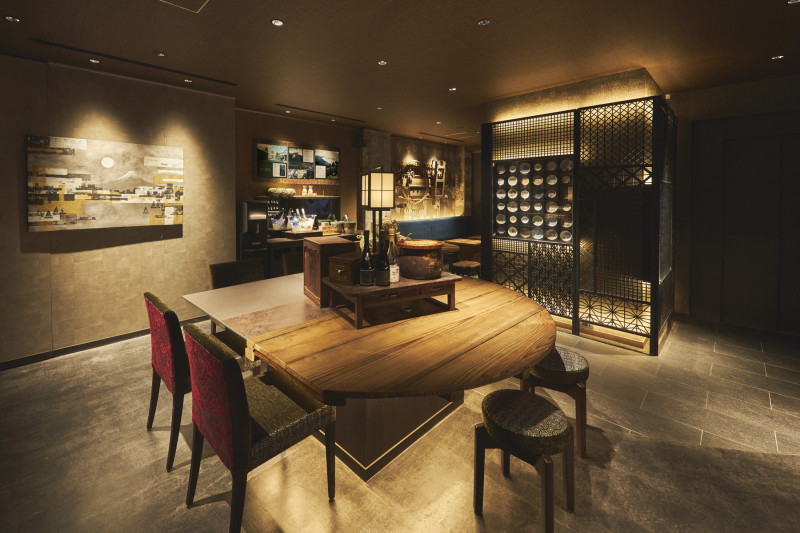
Where to stay: SAKE Kura Hotel inhabits a restored storehouse connected to Kawasaki's historic postal route, bridging old Japan with modern comfort. Minimalist rooms feature tatami mat platforms, wooden lattice screens, and natural wood furnishings in warm, neutral tones. Located steps from Kanayama Shrine, the spiritual heart of the Kanamara Festival, guests are ideally positioned to witness the celebrations unfold across the city.
Cradled in the fertile French countryside near Toulouse, Bessières charms with medieval streets and thriving weekly markets that reflect the region's deep agricultural soul. Stone buildings and lively market culture create an atmosphere of timeless French countryside tradition, where orchards and farmland stretch across lush horizons. Each Easter Monday since 1973, Bessières erupts into culinary theatre with the legendary Fête de l'Omelette Géante. Over 50 volunteers gather around a colossal 13-foot (almost 4 meters) pan to orchestrate an extraordinary feat: cooking an enormous omelette from approximately 15,000 eggs to feed around 2,000 celebrants. Parades and music flood the streets while local legend links the festival to Napoleon's passage through the region. As cherry trees burst into bloom and fresh spring produce and delicacies including asparagus and duck pâté flood the markets, the celebration embodies Bessières enduring connection between land, food and community. For travelers looking to explore the region further, an electric Tuk Tuk tour offers a unique way to discover Toulouse’s rich history and architecture, with stops including the Couvent des Jacobins, a masterpiece of Southern French Gothic architecture, and Pont Neuf, the city’s iconic 17th‑century stone bridge.
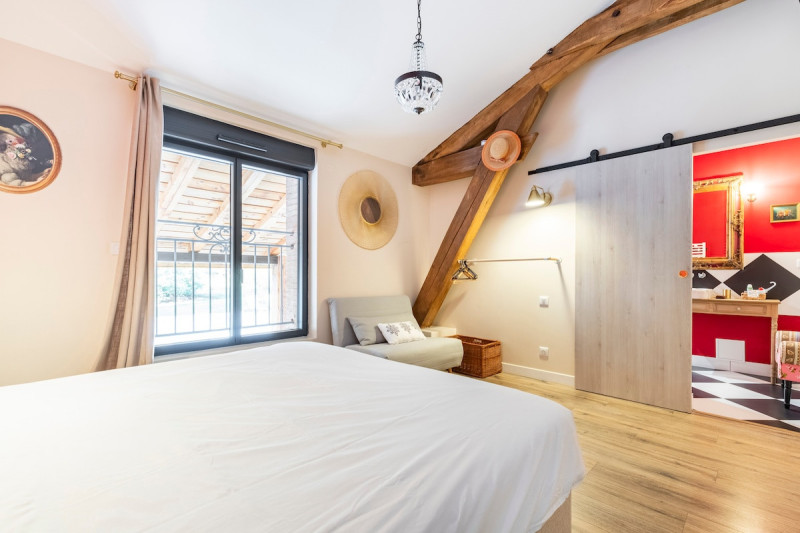
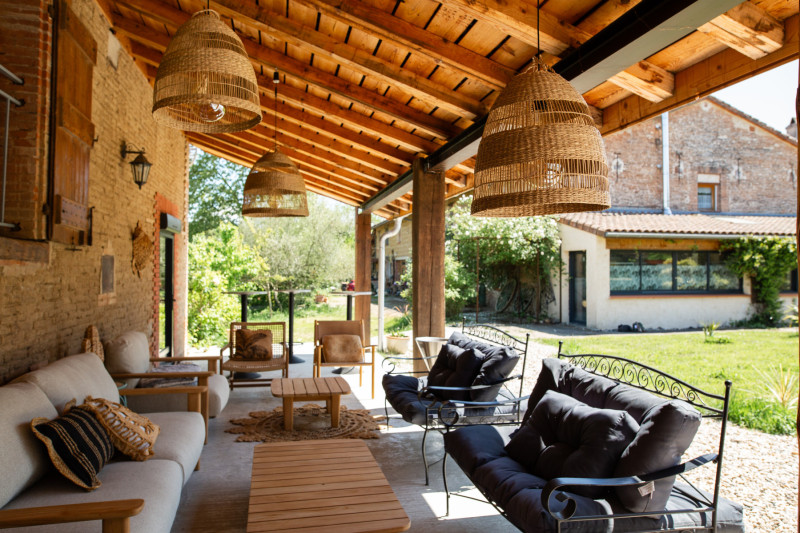
Where to stay: Located in the Bessières countryside, Domaine des Jammetous is a tranquil boutique B&B surrounded by gardens and open farmland. Guests can unwind on the terrace or enjoy a refreshing dip in the pool, capturing the slow pace of rural Occitanie. Rooms delight with individually curated French period touches such as wood‑burning stoves and exposed timber ceilings, beautifully paired with sleek modern luxuries and overlooking breathtaking garden vistas.
*Survey undertaken in July 2025, 29,733 global respondents, in the following markets:
Argentina (1009), Australia (1005), Austria (500), Belgium (1013), Brazil (1008), Canada (1018), China (1009), Colombia (1005), Croatia (508), Denmark (501), France (1010), Germany (1003), Hong Kong (1004), India (1007), Ireland (509), Israel (507), Italy (1005), Japan (1003), Mexico (1003), Netherland (1019), New Zealand (1033), Portugal (1006), Singapore (500), South Korea (1003), Spain (1009), Sweden (511), Switzerland (501), Taiwan (504), Thailand (1001), UAE (501), UK (2003), US (2010), Vietnam (505).