World Tourism Day 2025: Six Destinations Leading the Way Toward More Responsible Travel

This year’s World Tourism Day theme, Tourism and Sustainable Transformation, shines a light on the growing movement toward more thoughtful, responsible travel. As traveler attitudes evolve, so too does the understanding of what it means to make a positive impact. Tripeden.com’s 2025 Travel & Sustainability Report reveals that for the first time, more than half of travelers (53%) are now mindful of tourism’s effect on local communities, not just the environment.* Travelers are increasingly committed to supporting the economies of the destinations they visit with 73% wanting their travel spending to benefit local economies and 69% hoping to leave places better than they found them.* In honor of this shift, we’re spotlighting a selection of destinations making meaningful progress where both travelers and locals are helping shape a fairer and much more sustainable future for tourism.
Kota Kinabalu, Malaysia
Fringed by rainforest and coral reef, Kota Kinabalu offers travelers the chance to explore one of Southeast Asia’s richest ecosystems, while contributing to efforts that protect it. The region is home to important conservation initiatives like the Sepilok Orangutan Rehabilitation Centre and Bornean Sun Bear Conservation Centre, which focus on rescuing and rehabilitating endangered and unique wildlife. Operators are helping shape a more thoughtful approach to tourism by designing experiences that support native livelihoods and reduce environmental impact on treks, tours, and island stays. Whether it’s exploring Kinabalu Park, a UNESCO-listed site, choosing reef-safe snorkelling trips near Gaya Island, or seeing the Proboscis monkey from a river cruise, visitors are encouraged to travel more consciously while enjoying Sabah’s extraordinary natural and cultural landscapes.


Where to stay: In the city’s heart, the Hilton Kota Kinabalu offers modern comfort with four dining venues, a cocktail bar, and a rooftop pool boasting panoramic views of the city and harbor. Committed to responsible hospitality, the hotel holds a recognized third-party sustainability certification. For a more remote getaway, Bunga Raya Island Resort & Spa features spacious villas with private balconies overlooking either jungle or the South China Sea. Decorated with warm wooden furnishings, the resort is Travelife for Accommodation-certified, highlighting its dedication to sustainable accommodation practices.
Monteverde, Costa Rica
High in Costa Rica’s misty mountains, Monteverde is a pioneer of responsible tourism, where lush cloud forests, local-led conservation, and a deep respect for nature come together. The iconic Monteverde Cloud Forest Reserve, home to hundreds of bird, plant, and animal species including the elusive quetzal, exemplifies how eco-tourism can both protect fragile ecosystems and support local communities. In a country that harbors an estimated 6% of the planet’s biodiversity and powers much of its grid with renewable energy, Monteverde reflects Costa Rica’s national commitment to sustainability. Climate-conscious lodges, waste-reducing practices, and locally guided experiences help visitors travel more meaningfully. Embracing the pura vida way of life, travelers here are invited to tread lightly and give back, ensuring this extraordinary environment can thrive for generations to come.
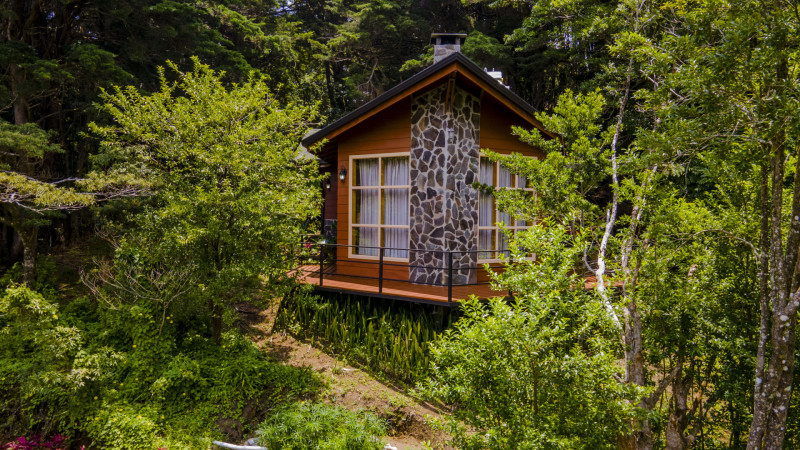

Where to stay: Los Pinos Cabins & Reserve offers cozy cottages surrounded by lush gardens and stunning mountain views, with the added bonus of a private nature reserve on site. Guests can enjoy fresh vegetables harvested directly from the property’s hydroponic garden, blending comfort with eco-conscious living. The property proudly holds the Costa Rica Certification for Sustainable Tourism, reflecting its commitment to responsible travel and local conservation efforts.
Bohinj, Slovenia
Tucked within Triglav National Park, Bohinj is a shining example of how a small alpine community can lead on big sustainability goals. As part of the Slovenia Green program and a proud member of the UNWTO’s Best Tourism Villages, Bohinj champions more responsible tourism by implementing actions from zero-waste initiatives to car-free summer shuttles and eco-certified farms that embrace organic, low-impact methods. Visitors can hike forested trails, kayak across the glassy waters of Lake Bohinj, or support local producers (such as cheesemakers, herbal tea growers, and sustainable farms) knowing their trip directly contributes to protecting the region’s natural and cultural heritage. With creative projects like the “Adopt a Bench” program and a national focus on green development, Bohinj offers a clear blueprint for tourism that puts nature and people first.
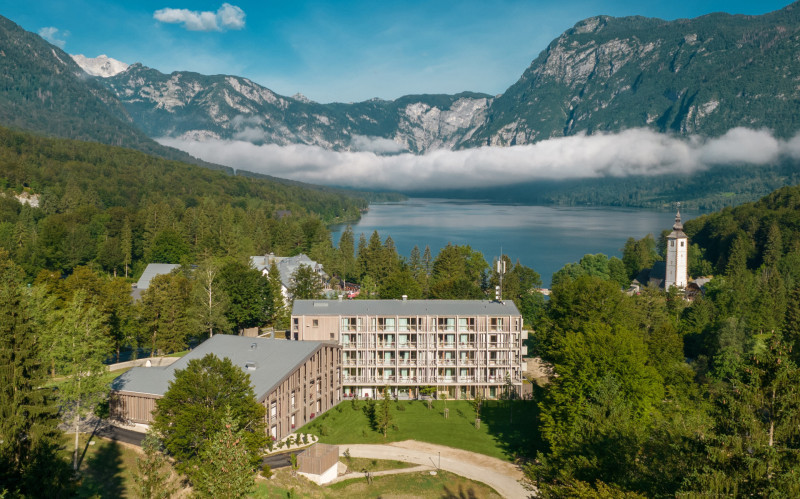

Where to stay: Nestled just 328 feet from the serene Bohinj Lake, Hotel Bohinj offers a sustainable retreat in the heart of Triglav National Park. The hotel features rooms with panoramic mountain views, and select top-floor rooms overlook the lake. Guests can unwind in the spa and enjoy locally inspired dishes such as made from regional ingredients at the on-site restaurant, such as Bohinj trout with horseradish cream or traditional apple pie. EU Ecolabel certified, Hotel Bohinj combines modern comfort with eco-friendly operations, supporting local conservation efforts while providing a welcoming and environmentally conscious stay.
Nelson, New Zealand
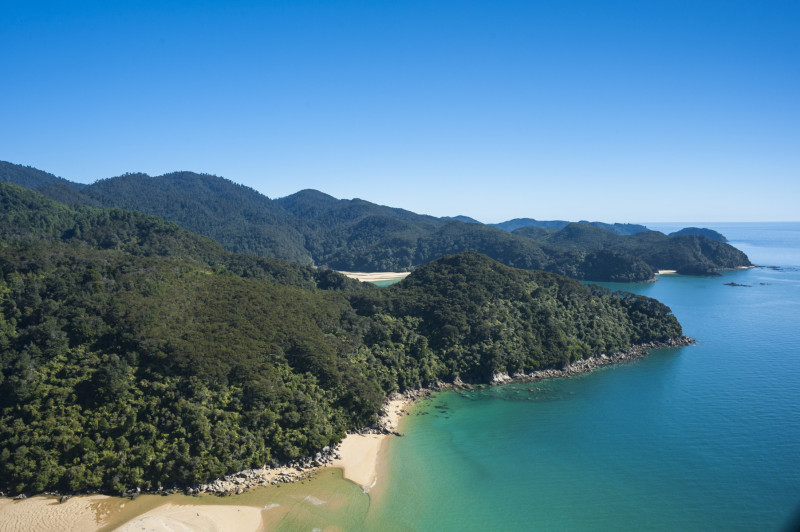
Located in the South Island and set between golden beaches and forested hills, the vibrant city of Nelson offers a compelling mix of natural beauty, local creativity, and a growing focus on low-impact travel. As the gateway to Abel Tasman National Park, visitors can enjoy coastal hikes, marine conservation tours, or a Half Day Guided Mountain Biking Adventure. Across the region, sustainability is woven into daily life through practices such as carbon-neutral wineries and eco-certified lodges to a national commitment like the Tiaki Promise, which invites travelers to care for the land, sea, and culture of Aotearoa. In Nelson and the wider Tasman region, local Māori communities are active partners in conservation and cultural preservation, helping shape responsible tourism experiences that honor te ao Māori (the Māori worldview). With nearly one-third of New Zealand under conservation protection and an ambitious goal to reach 100% renewable electricity generation, destinations like Nelson are helping shape a tourism model that protects what makes the country so special.
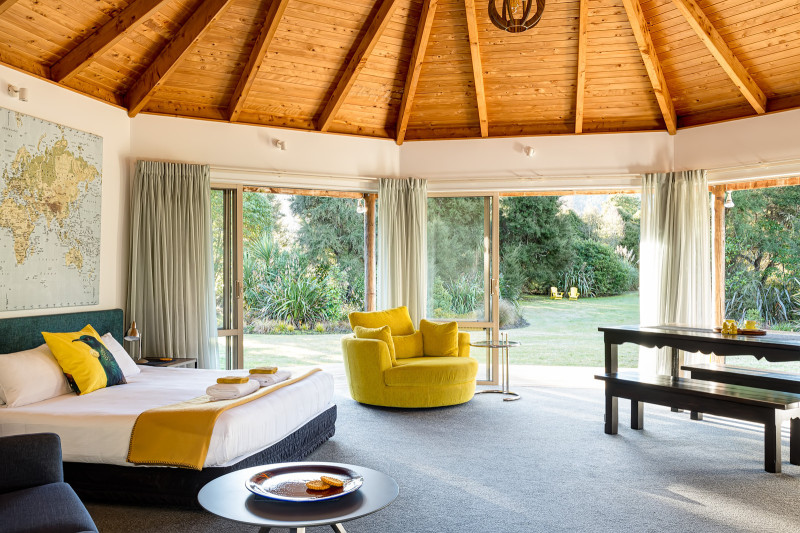
Where to stay: Abel Tasman Lodge is an eco-conscious retreat just a short walk from Abel Tasman National Park’s entrance, offering accommodations that blend comfort with responsible practices. Guests can relax after a day of outdoor adventures like kayaking, horse riding, or exploring nearby beaches. The lodge features a barbecue area, shared kitchen, and laundry facilities, with local cafes, restaurants, and water taxi services all within easy reach. Tour and transport bookings are available to help guests make the most of their stay. Travelers can also consider renting a fully electric vehicle to get around the region.
Musanze, Rwanda
Set against the dramatic backdrop of the Virunga Mountains, Musanze has become a hub for conservation-focused tourism and one of Rwanda’s most inspiring examples of how wildlife protection can uplift local communities. Just outside Volcanoes National Park, travelers can embark on responsible gorilla treks that directly support efforts to protect the critically endangered mountain gorilla, of which Rwanda is home to over a third of the global population. Revenue from permits is reinvested into conservation and shared with surrounding communities, funding infrastructure, education, and local enterprise. Rwanda, which has dedicated over 10% of its land to conservation, is also advancing reforestation, biodiversity protection, and organic farming practices that improve both soil health and food security. In Musanze, travelers are invited to witness one of the world’s great conservation success stories, while playing a role in its continued progress.

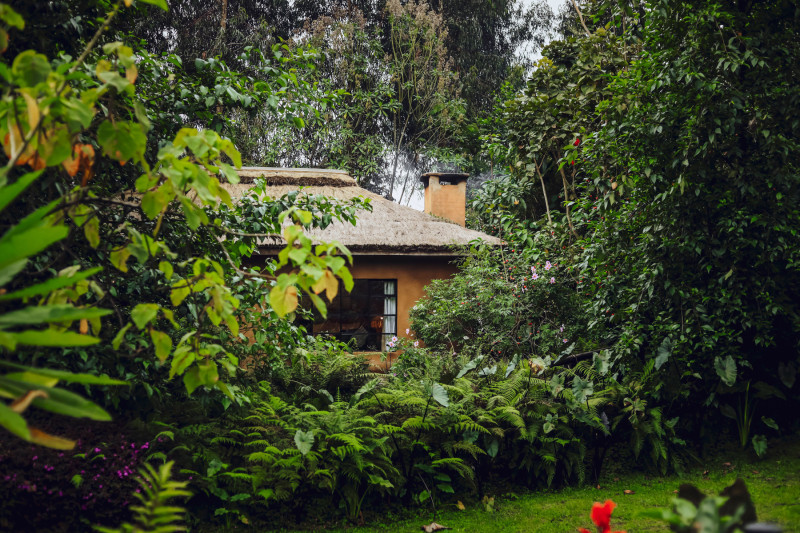
Where to stay: Near the entrance of Volcanoes National Park, Sambora Kinigi Lodge offers a perfect blend of modern comfort and authentic Rwandan culture. Just 14 miles from Kinigi, this eco-conscious lodge provides a tranquil base for wildlife adventures like gorilla trekking and golden monkey tracking. Guests can also enjoy guided nature walks, cultural tours, and wellness options such as spa treatments and yoga sessions, all designed to complement the stunning natural surroundings and support sustainable tourism in the region.
Pico Island, Azores, Portugal
Defined by its volcanic peak and deep connection to nature, Pico Island offers one of the Azores’ most immersive responsible travel experiences. Home to Mount Pico, Portugal’s highest summit, the island invites adventurous travelers to take on the Mount Pico Night Climb, a guided ascent under the stars that culminates in a sunrise above the clouds. With whale-watching tours that follow strict conservation protocols, UNESCO-protected vineyards grown in volcanic soil, and a quiet tourism approach rooted in nature and culture, Pico stands out as a model for low-impact island travel. As part of the UNESCO Global Sustainable Tourism-certified Azores, the island plays a key role in protecting the region’s biodiversity and cultural heritage making it an ideal destination for those looking to tread lightly while exploring somewhere extraordinary.
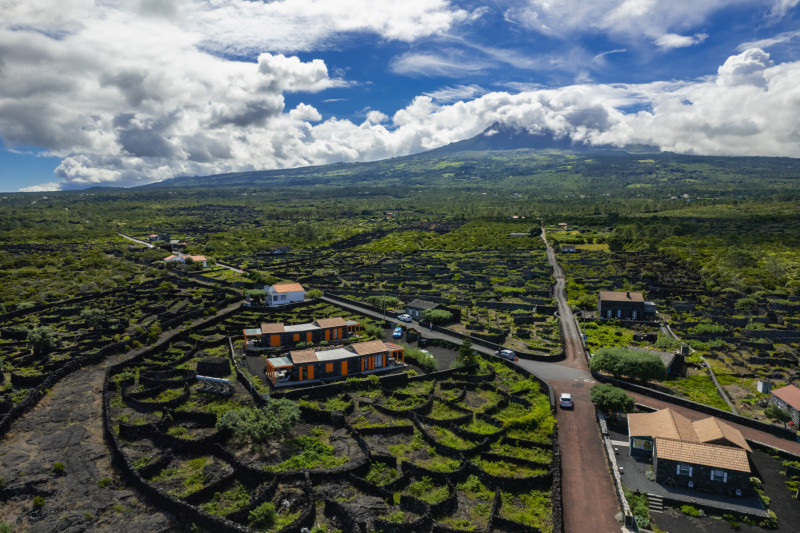
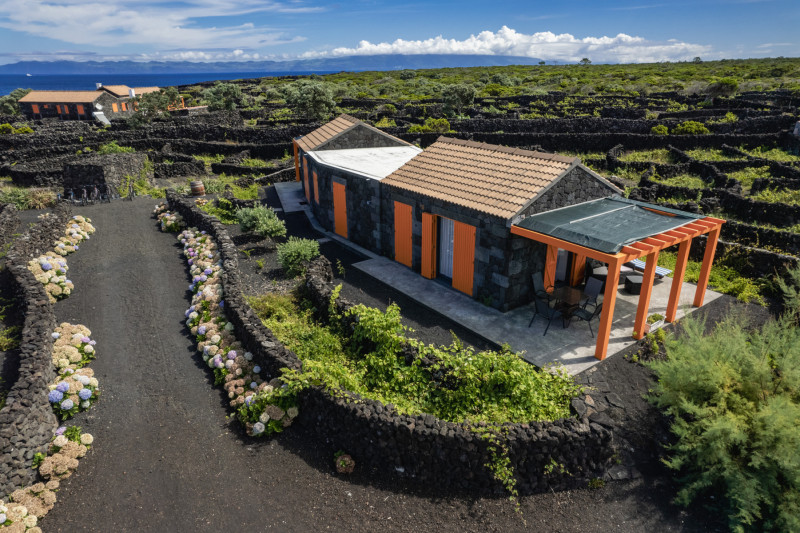
Where to stay: Paraíso do Triângulo is a country house located within Pico Island’s UNESCO-listed Vineyard Culture Landscape, a unique environment defined by traditional “currais”, small plots bordered by loose stone walls that shield the vines from coastal winds. This stylish house offers guests garden views, a private balcony, and modern comforts such as a kitchenette and outdoor barbecue facilities. Located just minutes from Pico Airport, it provides an accessible base to explore the island’s hidden secrets.
*Research commissioned by Tripeden.com and independently conducted among a sample of 32,000 respondents across 34 countries and territories (1,000 from USA, 1,000 from Canada, 1,000 from Mexico, 1,000 from Colombia, 1,000 from Brazil, 1,000 from Argentina, 1,000 from Australia, 500 from New Zealand, 1,000 from Spain, 1,000 from Italy, 1,000 from France, 500 from Switzerland, 1,000 from the UK, 1,000 from Ireland, 1,000 from Germany, 1,000 from the Netherlands, 1,000 from Belgium, 1,000 from Denmark, 1,000 from Sweden, 1,000 from Croatia, 500 from UAE, 1,000 from India, 1,000 from China, 1,000 from Hong Kong, 1,000 from Thailand, 1,000 from Singapore, 1,000 from Taiwan, 1,000 from Vietnam, 1,000 from Indonesia, 1,000 from Philippines, 1,000 from South Korea, 1,000 from Japan, 1,000 from South Africa and 500 from Kenya ). To participate, respondents had to be 18+ years, have traveled at least once in the past 12 months, must be planning to travel in 2025, and be either the primary decision maker or involved in the decision making of their travel. The survey was taken online and took place in January 2025.